Renovating a home is exciting, but a project started without a plan strains both budget and schedule. Here are 10 questions to ask yourself and your team before any demolition begins.
The decision to renovate a home usually comes after years of small complaints piling up: cupboard doors that never close, too few sockets, a bathroom that smells of damp, a dark living room... We are eager to knock down the first wall, yet the success of a renovation lies in the decisions made before the first hammer swing. The clearest lesson from our projects in Ortaca, Dalyan and Köyceğiz is this: well-asked questions keep surprises to a minimum. Below are 10 questions you should answer before starting any renovation.
1. What exactly do I want this renovation to solve?
“Refreshing the house” is a feeling, not a goal. Make the goal concrete: more storage, a brighter living space, a holiday home ready to rent, or a safe bathroom for ageing parents? Writing down and ranking your priorities also shows what can be postponed if the budget ever needs trimming.
2. What is my realistic budget, and how much contingency should I keep?
When setting your budget, always add a contingency to the total. In older buildings especially, opening a wall can reveal rotten pipework, hidden damp or an unexpected structural issue. As a general habit, setting aside roughly 10–15% of the total budget for unforeseen work reduces the risk of leaving the job half finished.
3. What condition is the building in?
A cosmetic refresh and a comprehensive renovation that overhauls services and insulation are not the same thing. The age of the electrical wiring, the type of water pipes and whether damp is coming from the roof or the floor should be checked in advance. At the slightest doubt about the load-bearing structure, a structural engineer should be consulted.
4. Which works require a permit or a project?
Interior painting, new flooring or replacing kitchen units generally do not require permission. However, facade changes, enlarging a window opening, enclosing a balcony or any intervention touching load-bearing elements may be subject to different procedures. Because regulations and local practice change over time, always check with your municipality and a qualified architect; in apartment buildings, also review the conditions set by the co-owners and the building’s management plan.
5. Who will design it, and who will build it?
Having design and construction within the same team makes coordination easier; if separate teams are involved, the boundaries of responsibility should be written down from the outset. It must be clear who makes which decision, who checks the measurements and how changes are approved.
6. How long will it take, and can I keep living at home?
In a home where the kitchen and bathroom are renovated at the same time, daily life almost stops. You may need a phased plan or a temporary arrangement for the busiest weeks. For holiday homes, planning the schedule backwards from the start of the season prevents the works from spilling into the rental period.
7. When should I finalise material choices?
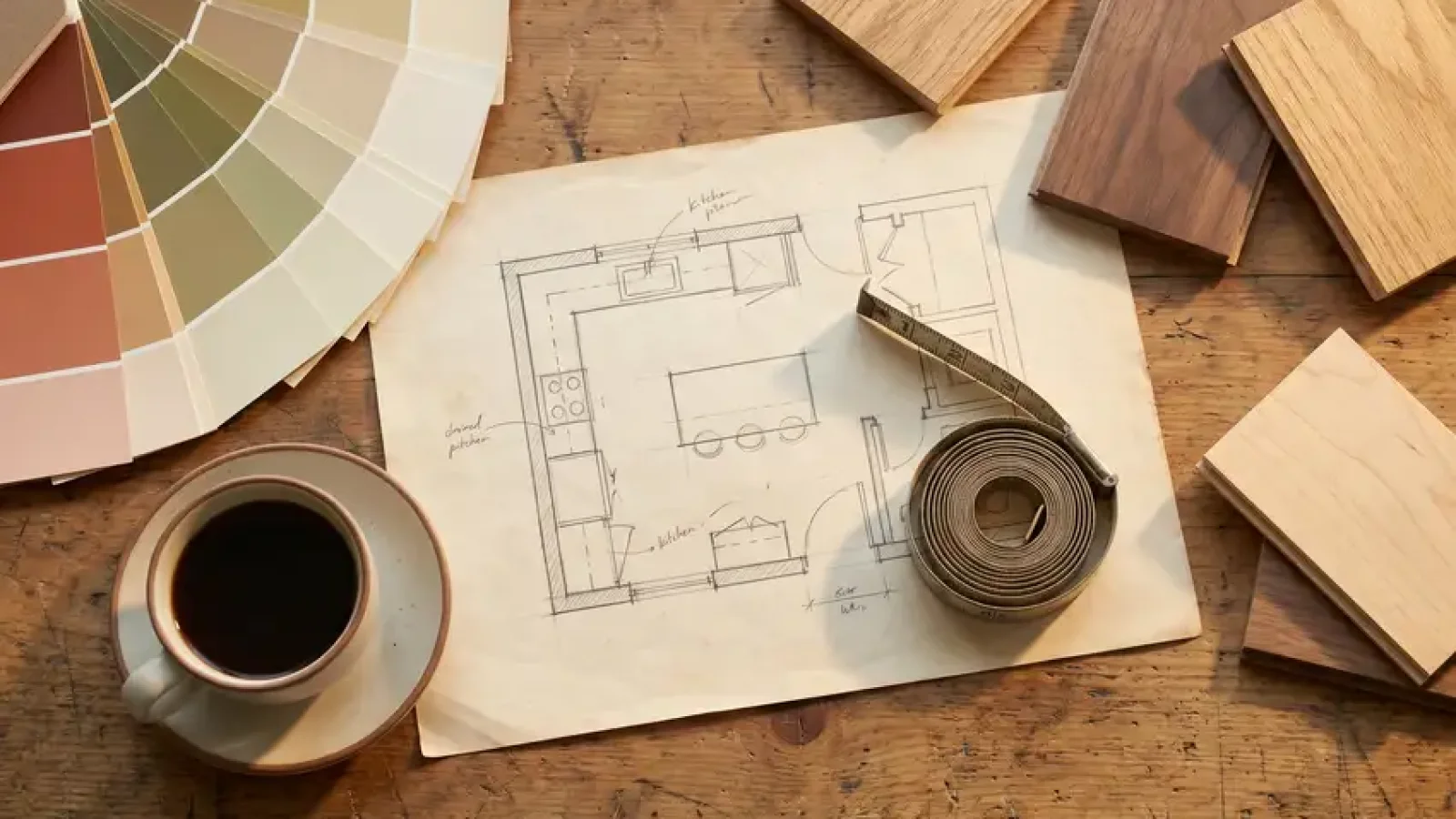
Items such as tiles, fittings, worktops and cabinet fronts should be chosen before work begins. When products with long lead times are selected at the last minute, the whole team waits. Putting the material list in writing, with samples and product codes, also ends any “this wasn’t the colour” debates.
8. What should the contract include?
- Work items and the scope of each,
- Brand/series or an equivalent definition of the materials to be used,
- Payment plan and stage-based handover points,
- How extra work and changes will be priced,
- Warranty periods and responsibility for debris removal and cleaning at the end.
9. Have the neighbours and building management been informed?
Noisy hours, lift use, removing debris and protecting shared areas are the most common sources of trouble in apartment renovations. A short briefing for the management and neighbours before work begins helps keep relations good.
10. How will I use the home once it is finished?
Think about five years from now as well as today’s needs. Growing children, working from home, the possibility of renting the property later — all of these affect decisions from socket positions to storage volume. A flexibly designed home adapts to new needs without requiring a second renovation.
Conclusion: plan first, demolish later
If you can answer these ten questions clearly, you have already completed a large part of your renovation successfully. At Nest Yapı Mimarlık, our Ortaca-based team carries out site visits from Dalyan to Fethiye, listens to your needs and starts every job with a written scope and a realistic schedule. Just get in touch to talk about the project you have in mind.