Two homes may be the same size, yet their renovation costs can differ greatly. We explain the factors that raise or lower cost per square metre and what to watch for when budgeting in 2026.
“What do you charge per square metre for a renovation?” is the question we hear most often. The honest answer is that there is no single price per square metre. Of two 100 m² flats, one may be finished with just new paint and flooring, while the other may need its plumbing, insulation, kitchen and bathroom rebuilt from scratch. In this article we explain the main factors behind renovation cost and what to keep in mind when budgeting in 2026. Instead of quoting figures we explain the logic, because prices can change quickly with the materials market and the scope of work.
1. Scope of work: cosmetic or comprehensive?
The biggest cost driver is the depth of the work. Broadly, there are three levels:
- Cosmetic refresh: Paint, flooring, doors and lighting. The infrastructure is left untouched.
- Mid-scale renovation: A new kitchen or bathroom, partial replumbing, plasterboard ceilings and new electrical circuits.
- Comprehensive renovation: Reconfiguring walls, renewing all services and insulation, replacing windows; often stripping the home back to its shell.
2. Number of kitchens and bathrooms
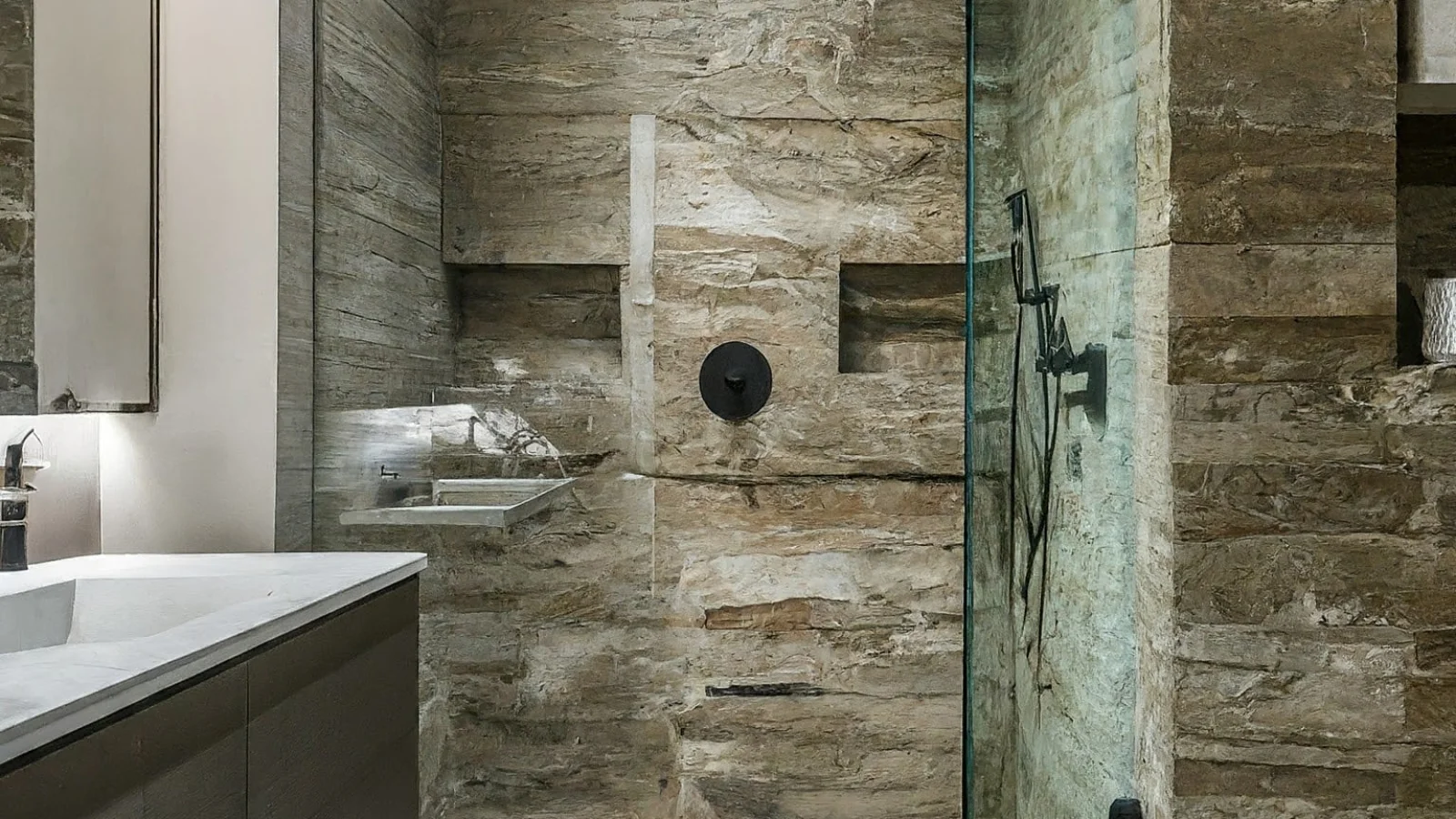
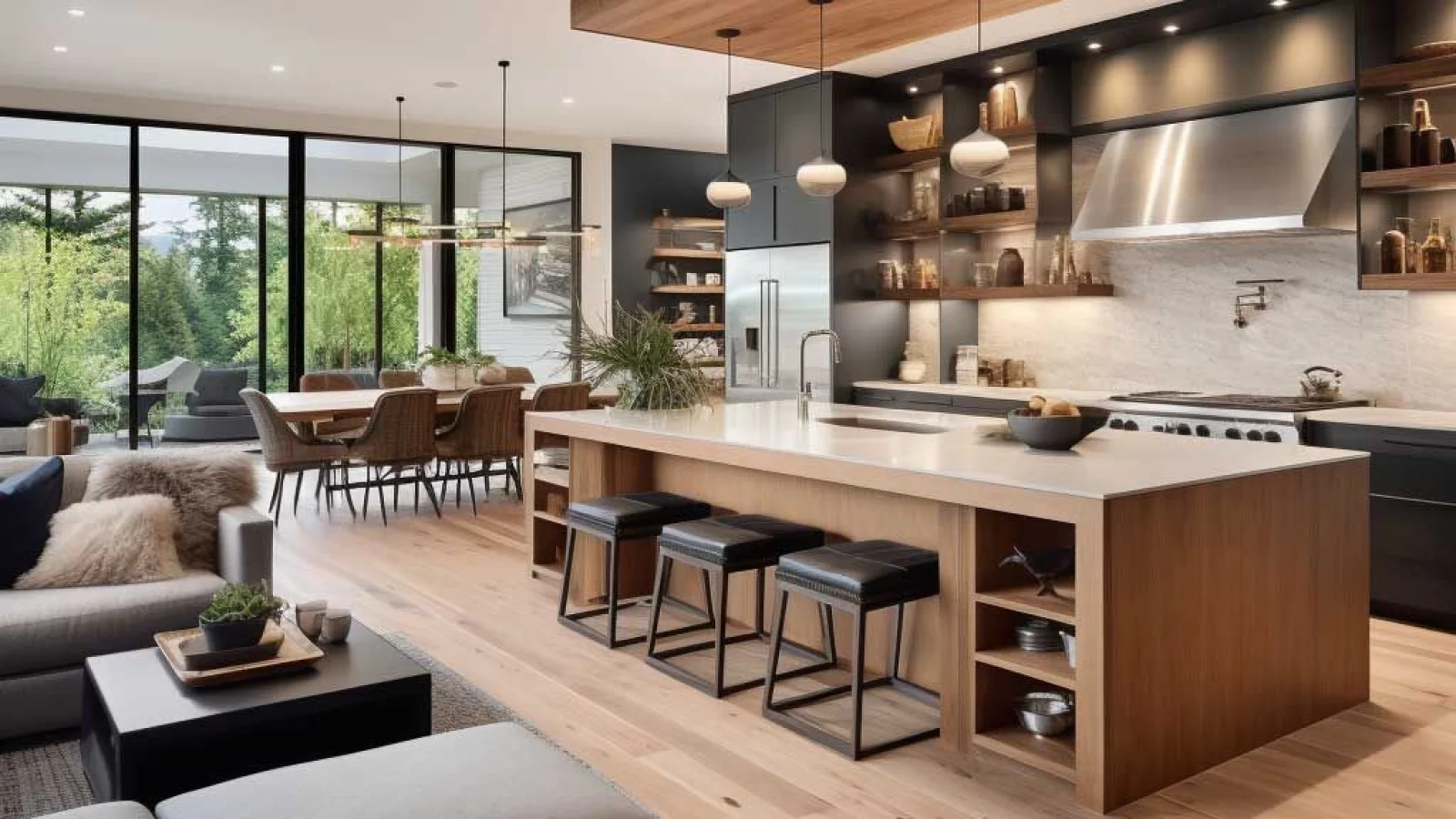
Per square metre, kitchens and bathrooms are the most expensive areas. Waterproofing, tiles, sanitaryware, taps, units and worktops are concentrated in these small spaces. A flat with two bathrooms needs a noticeably higher budget than a same-sized flat with one.
3. Age of the building and hidden problems
In older buildings we frequently find galvanised pipes, undersized electrical cables, circuits without earthing or damp that has spread inside walls. These problems cannot be fully seen until walls are opened, so it is wise to keep a larger contingency for older properties.
4. Material grade
The same work item can vary several times over depending on the material chosen. For example:
| Item | Economy option | Premium option |
|---|---|---|
| Flooring | Laminate | Solid wood or large-format porcelain |
| Kitchen fronts | Melamine | Lacquer or natural wood veneer |
| Worktop | Laminate | Quartz or natural stone |
| Taps and fittings | Standard range | Concealed, designer range |
A smart strategy is to invest in the surfaces you touch every day (worktop, taps, door handles) and choose economical options for less visible areas.
5. Share of bespoke work
Made-to-measure cabinetry, built-in storage, niches and bespoke furniture fit the space perfectly and look very refined, but they require more labour and time than off-the-shelf products.
6. Location and logistics
Logistics costs differ between a flat in central Ortaca and a villa near the marina in Göcek with limited vehicle access. High floors without a lift, narrow streets, the distance to a debris disposal site and the team’s travel time are all reflected in the price.
7. Schedule pressure
For holiday homes, the most common situation is the rush to finish before the season. A tight schedule means overtime, teams working in parallel and express product deliveries. Planning the renovation for autumn and winter reduces both cost and stress.
8. Project and design service
Some homeowners see design as an extra expense. In reality, a good project prevents hidden costs such as wrong orders, tearing out and redoing work, and mismatched materials. Often the design pays for itself through the mistakes it prevents.
Practical tips for budgeting in 2026
- Get itemised quotes from at least two or three firms for the same scope.
- Ask how long each quote remains valid; material prices may change.
- Order long-lead products early to lock in the price.
- Set aside 10–15% of the total budget for unexpected work.
- Always approve change requests in writing, with a price.
Conclusion
Renovation cost is a combination of scope, materials, building condition, location and schedule. The most reliable route to a realistic budget is a site visit and a clear job description. At Nest Yapı Mimarlık we carry out site visits across Muğla and prepare a transparent, itemised cost table.