Buying land and building a villa in Muğla is a dream for many. But if the zoning status, protected areas and permit steps are not understood in advance, the process can drag on. We have put together the general flow and the points to watch.
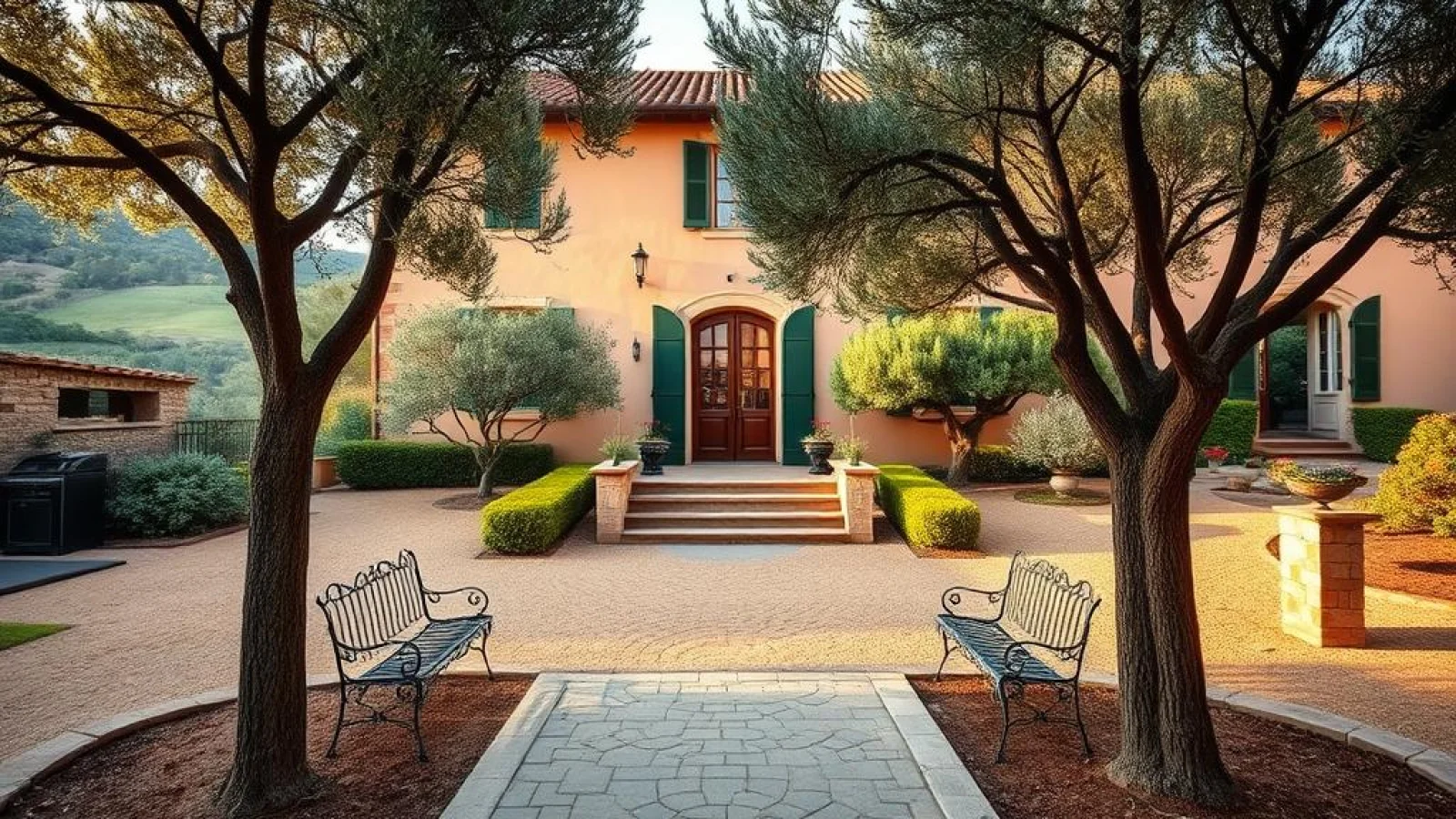
The citrus groves of Ortaca, the canal views of Dalyan, the lakeshore of Köyceğiz or the bays of Göcek... Every year more people want to build their own villa in Muğla. Yet because of its natural and historic assets, this is one of the regions of Türkiye with the highest concentration of protected areas. So when building a villa, understanding the legal status of the land and the permit process matters as much as the design.
Important note: This article is for general information only. Zoning and conservation legislation, regulations and municipal practice can change over time. Before buying land and starting the project process, always consult the relevant municipality, the regional conservation board where applicable, and a qualified architect.
1. Before buying land: zoning status
When you find the plot of your dreams, the first step is to obtain its zoning status from the relevant municipality. The zoning status sets out what type and size of building can be built on that parcel. It usually includes:
- The land-use designation in the zoning plan (residential, tourism, agricultural, etc.),
- Development ratios (relating to footprint and total floor area),
- Permitted number of storeys or height,
- Setbacks from neighbouring parcels and the road.
On agricultural land, parcels near forest boundaries or areas without a zoning plan, development conditions can be very different. So the phrase “it says building plot on the title deed” is not enough on its own.
2. Heritage and protected areas
Many parts of Muğla are protected under designations such as natural heritage site, archaeological site or special environmental protection area. The surroundings of Dalyan and Köyceğiz and parts of Fethiye and Göcek are examples. In these areas:
- Development conditions may be more restrictive,
- The project may be subject to the opinion and approval of the relevant conservation bodies as well as the municipality,
- There may be special requirements on materials, colours, roof form and building height,
- Additional procedures may apply during excavation.
Clarifying the parcel’s status and which bodies will be involved at the outset reduces the risk of having to change the project later.
3. Geotechnical survey and mapping
Before the project starts, the parcel’s measurements and levels are surveyed by a mapping engineer, and the ground characteristics are determined by a geotechnical survey. In an earthquake zone like Muğla, where some areas also have a high water table, the geotechnical survey is the most important input to the structural design.
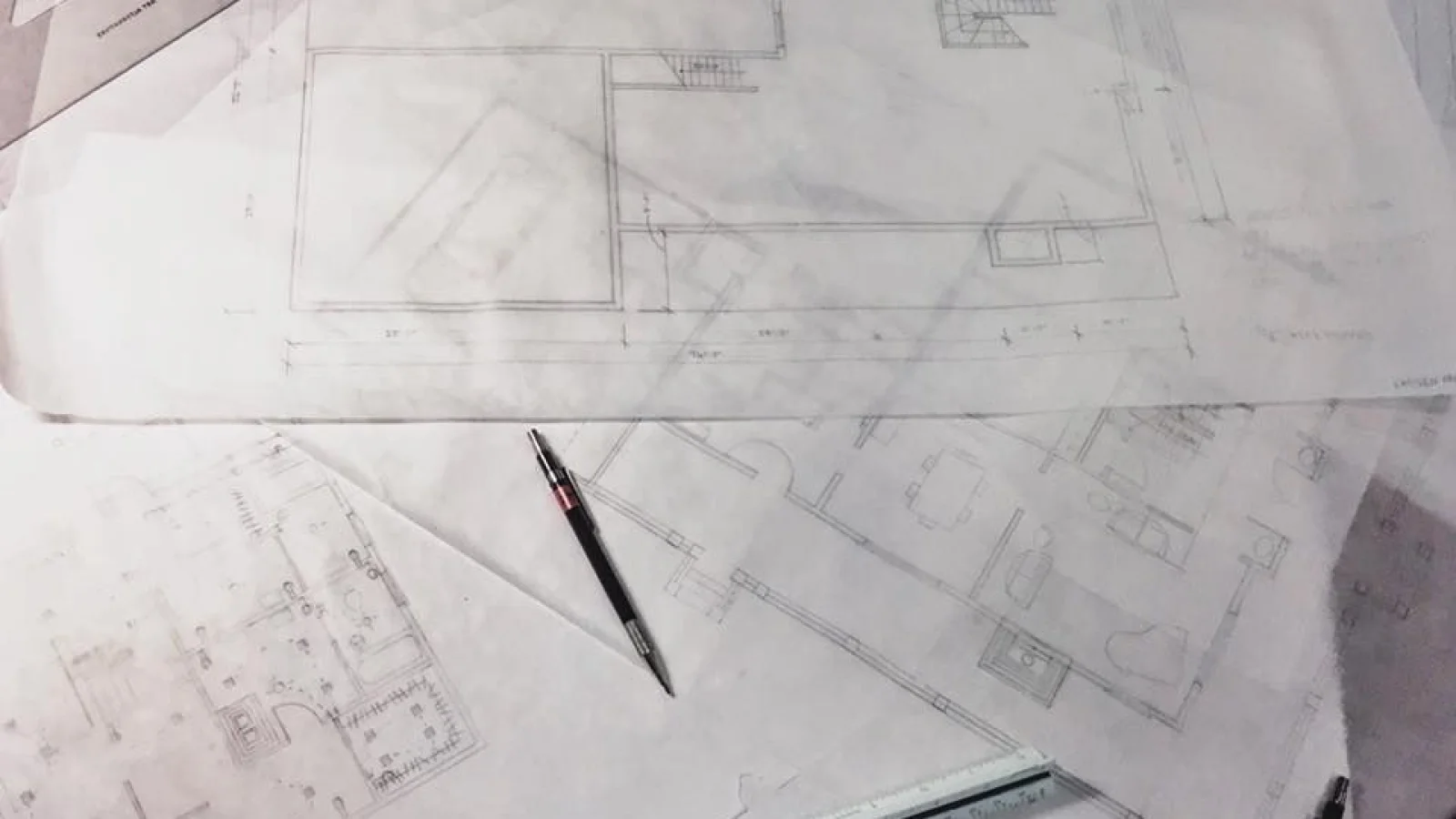
4. The project set
Once the zoning status and ground data are clear, the architectural concept is prepared and approved, followed by the architectural construction, structural, mechanical and electrical projects. In protected areas, the scope of drawings and documents to be submitted to authorities may differ.
5. Building permit application
The building permit application is made to the municipality with the project set and required documents (title deed, zoning status, geotechnical survey, opinions of relevant bodies, etc.). The application is reviewed, corrections are requested if needed and, if it is found suitable, the permit is issued. A building inspection firm also joins the process at this stage.
6. Construction and inspection
Construction begins once the permit is granted. Foundation, formwork, reinforcement and concrete stages are inspected. Building something different from the approved project can cause serious problems at the occupancy stage, so every change on site should first be reviewed with the project team.
7. Occupancy permit
When construction is complete, it is checked that the building has been finished in line with the project and an application is made for the occupancy permit. This permit matters for utility connections and for processes such as selling and renting.
Tips that make the process easier
- Obtain the zoning status and conservation status in writing before buying land.
- Work with a local architect who knows the region and the authorities’ procedures.
- Shape the design around the plot’s topography, trees and views; projects that respect nature also tend to fit better in protected areas.
- Plan the schedule flexibly to allow for approval times.
Conclusion
Building a villa in Muğla takes patience and the right information, but a well-planned process results in a long-lasting home in harmony with the region’s nature. With our Ortaca-based team, Nest Yapı Mimarlık is with you from the preliminary assessment of your plot through the project set to construction.