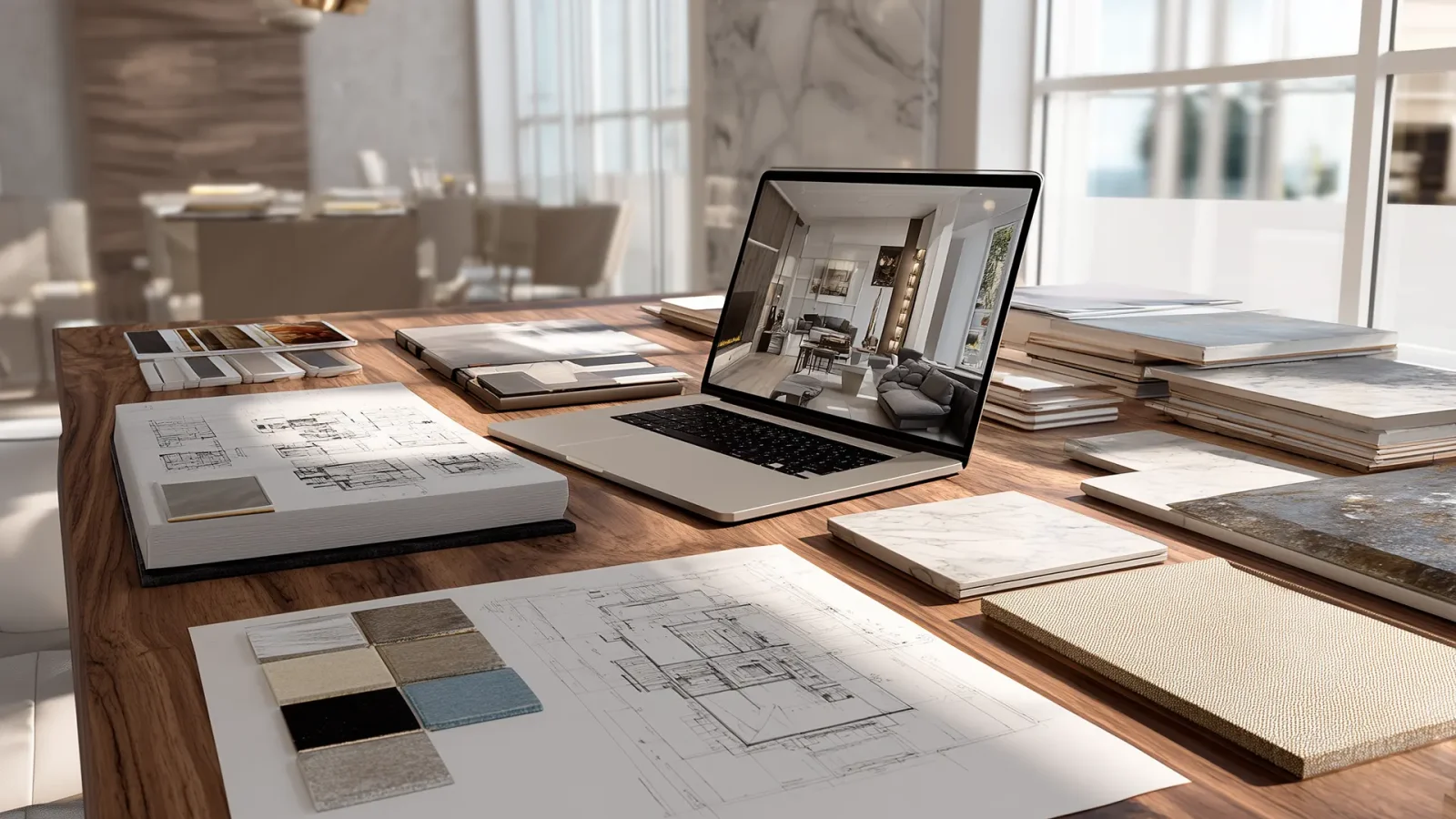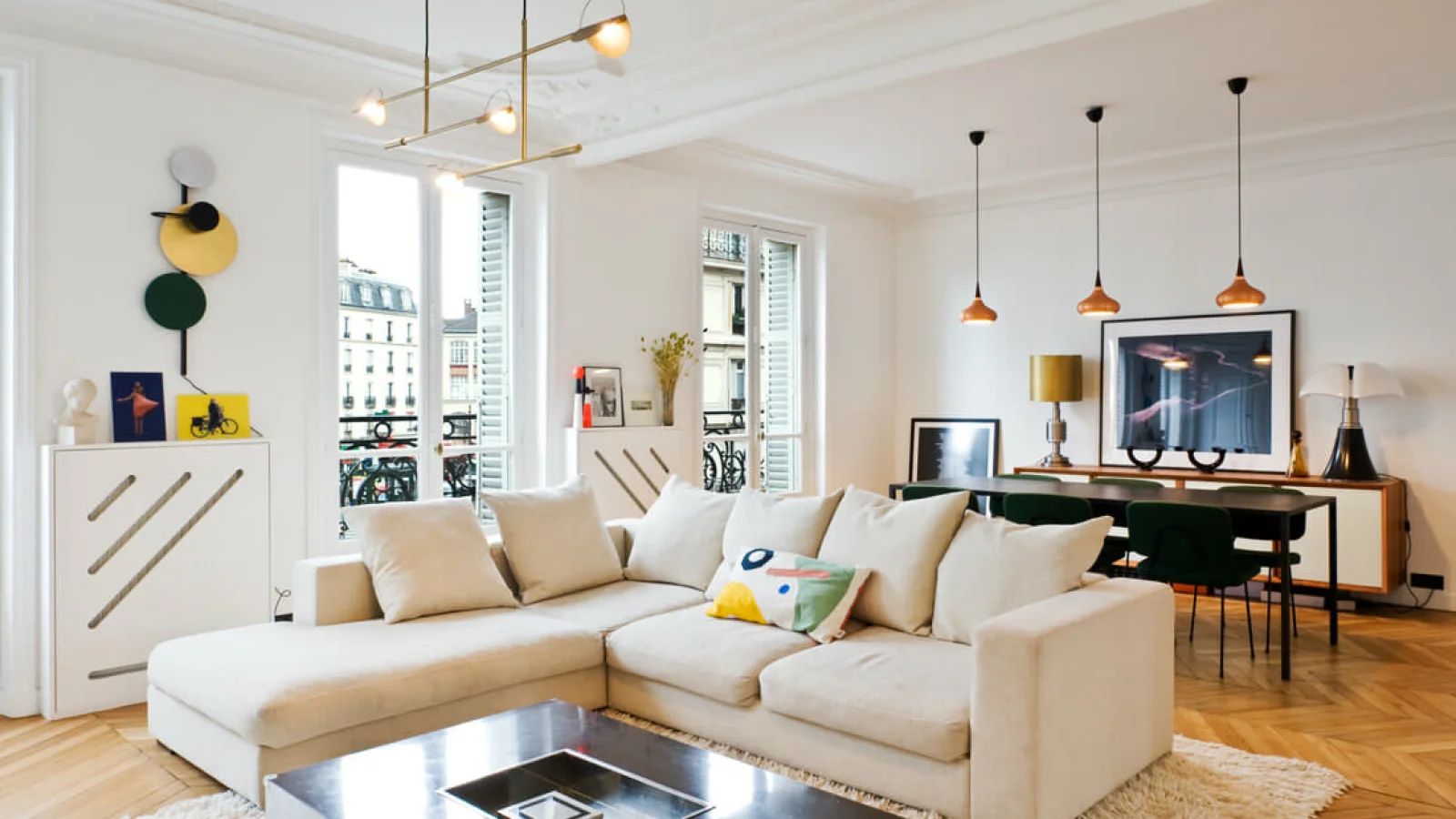
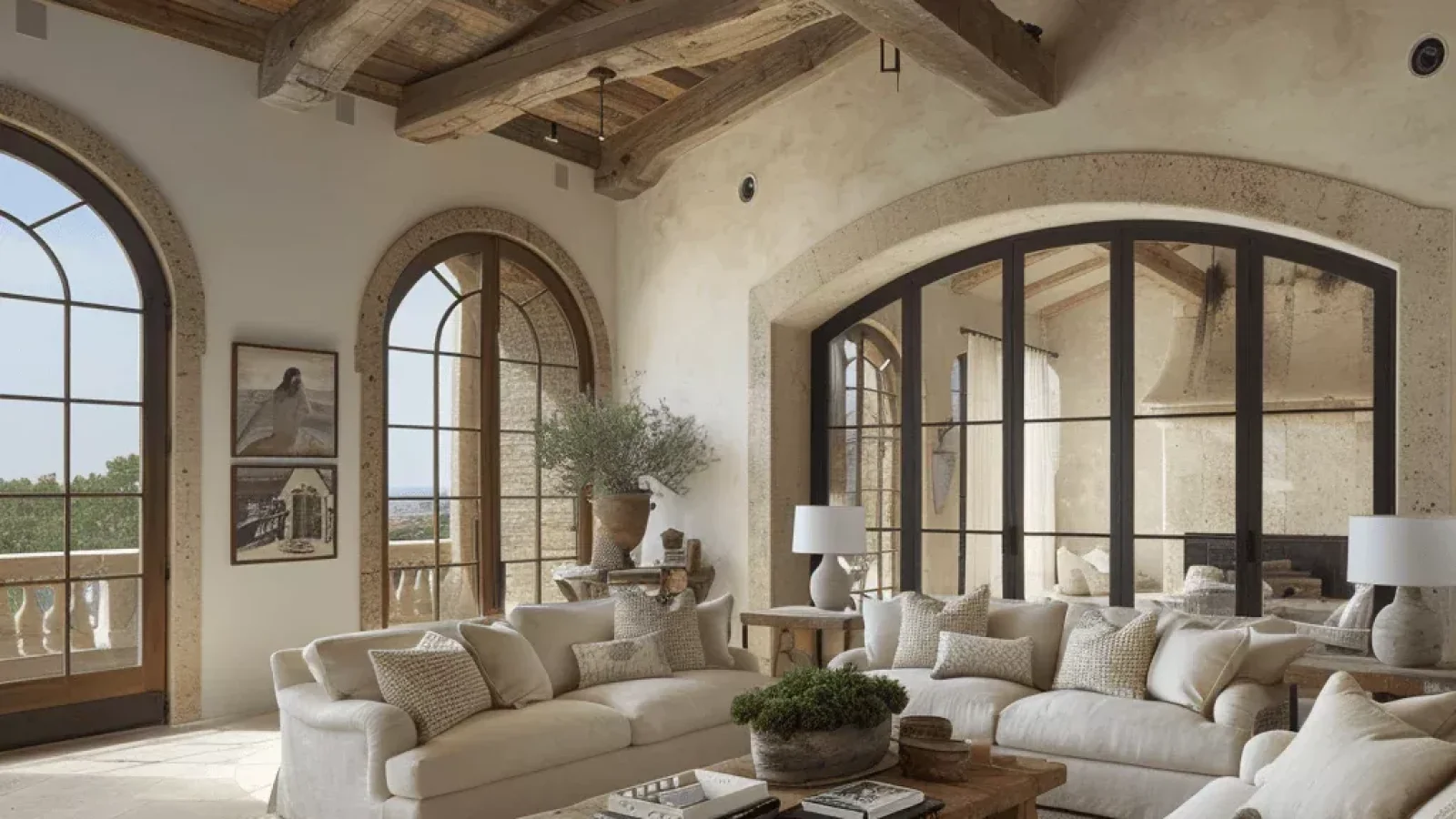
Stone, wood, linen and terracotta... Mediterranean and Aegean style creates calm spaces with natural materials and the warmth of the sun. We explain how to bring this style into your home, from materials and colour to furniture and light.
Mediterranean and Aegean interiors bring to mind the thick stone walls of a village house, shaded rooms that stay cool in the midday heat, the golden colour of the late-afternoon sun and crowds gathered around the dinner table. This style is less a trend than a way of life. In settlements surrounded by nature such as Ortaca, Dalyan and Köyceğiz, this aesthetic sits very naturally. So how can you create this warm atmosphere in your own home?
The core principle: natural, textured, simple
At the heart of Mediterranean style lies an unpretentious simplicity. Instead of glossy, plastic and over-processed surfaces, it favours materials you can feel by hand and that grow more beautiful with time. Even imperfections are part of the character: a slightly wavy plaster, a handmade tile, knotty wood.
Material palette
Stone
Natural stone walls, travertine floors or stone cladding used only around a fireplace give a space a rooted feel. In new buildings, choosing a single feature wall rather than making every wall stone gives a more balanced result.
Wood
Oak, walnut or reclaimed wood can be used for ceiling beams, doors, the dining table and open shelving. Wood finished with matt oil that keeps its natural colour suits this style far better than high-gloss lacquer.
Linen and natural textiles
Linen curtains, cotton bedspreads, wool and jute rugs add both visual and tactile warmth. Washed, slightly creased linen perfectly reflects the relaxed, effortlessly elegant feel of this style.
Terracotta and handmade tiles
Terracotta floor tiles, handmade ceramics and zellige-style tiles create a warm accent, especially as kitchen splashbacks and in bathrooms. Terracotta pots and vases are small but effective touches too.
Colour palette
- Base colours: Off-white, lime white, sand, cream.
- Warm accents: Terracotta, clay, mustard, rust tones.
- Hints of nature: Olive green, sage and faded shades of sea blue.
Limewash or mineral paints on the walls offer a softly clouded texture that changes with the light, reinforcing the mood of the style.
Furniture and layout
Low, deep, comfortable sofas; long solid-wood dining tables; wicker and rattan chairs; seating built into niches — these are typical elements of the style. Rooms are furnished to breathe, not to be crowded. The home is usually organised around a large table where meals and conversation take place.
The transition between inside and out
Aegean life is largely lived outdoors. Joining the living room and terrace with the same flooring, using wide-opening doors and creating semi-open spaces such as shades and pergolas turns the home and garden into a single living area. Plants such as bougainvillea, olive trees and lavender complete the transition.
Light: softening the sun
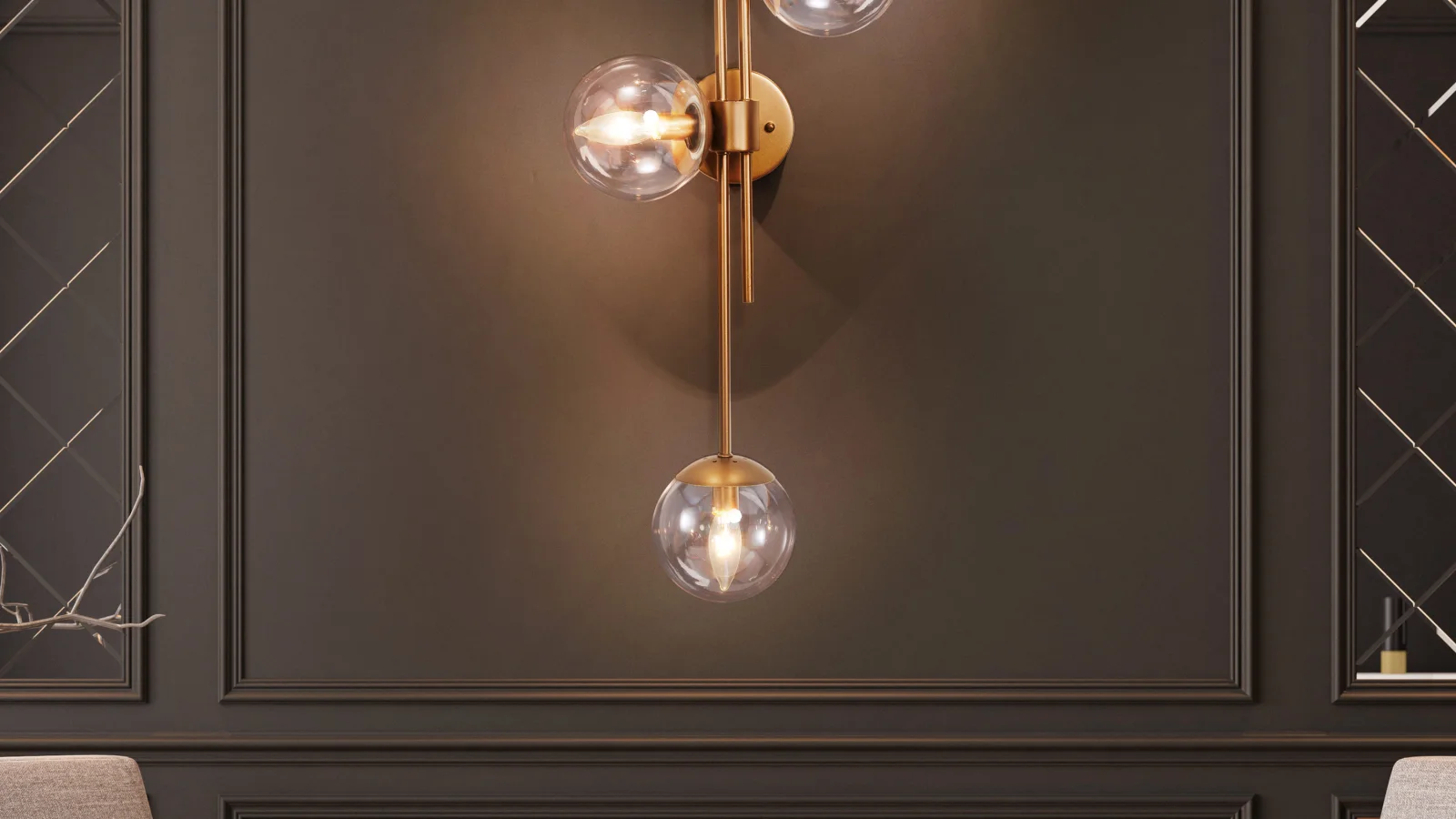
In the Mediterranean, the aim is to let the sun in while softening harsh light. Wooden shutters, linen curtains and deep window reveals filter daylight. In the evening, warm lighting (around 2700K), wicker and ceramic lampshades and candles complete the atmosphere.
Mistakes to avoid
- Turning the style into a theme park: anchors, seashells and blue-and-white stripes in every corner.
- Using too many materials together: sticking to three or four main materials gives a calmer result.
- Using cool white light: it dulls warm tones.
Conclusion
Mediterranean and Aegean style is defined by the honesty of natural materials, the calm of warm colours and a fluid relationship between inside and out. For home and villa owners who want to combine this style with modern comfort, Nest Yapı Mimarlık designs timeless interiors in keeping with the spirit of the region.