Good lighting design is built not with a single ceiling light but with complementary layers of light. We explain ambient, task, accent and decorative lighting, with notes on colour temperature and room-by-room tips.
Design a space with the same materials, furniture and colours, change only the lighting, and you get a completely different atmosphere. Light is the invisible yet most keenly felt material in interior design. Unfortunately, in many homes the lighting consists of a single fitting hung in the middle of the ceiling. This approach falls short both functionally and aesthetically. Good lighting design is thought of in layers.
1. Ambient (general) lighting
This is the layer that provides the basic level of brightness in a space. It lets you move around the room safely and see what is around you. It is usually achieved through:
- Recessed downlights or surface-mounted ceiling fittings,
- Concealed LED strips along the edges of suspended ceilings (indirect lighting),
- Uplighter floor lamps.
Indirect lighting bounces light off the ceiling and walls, creating a soft, shadow-free environment. Used on its own, however, it can make a space look flat and lacking in depth, so it should be supported by the other layers.
2. Task lighting
A more intense light focused on the spot where a particular job is done. It prevents eye strain and improves safety.
- Kitchen: LED lighting under the wall cabinets provides shadow-free work on the worktop.
- Bathroom: Light from both sides of or around the mirror avoids shadows on the face.
- Work area: An adjustable desk lamp.
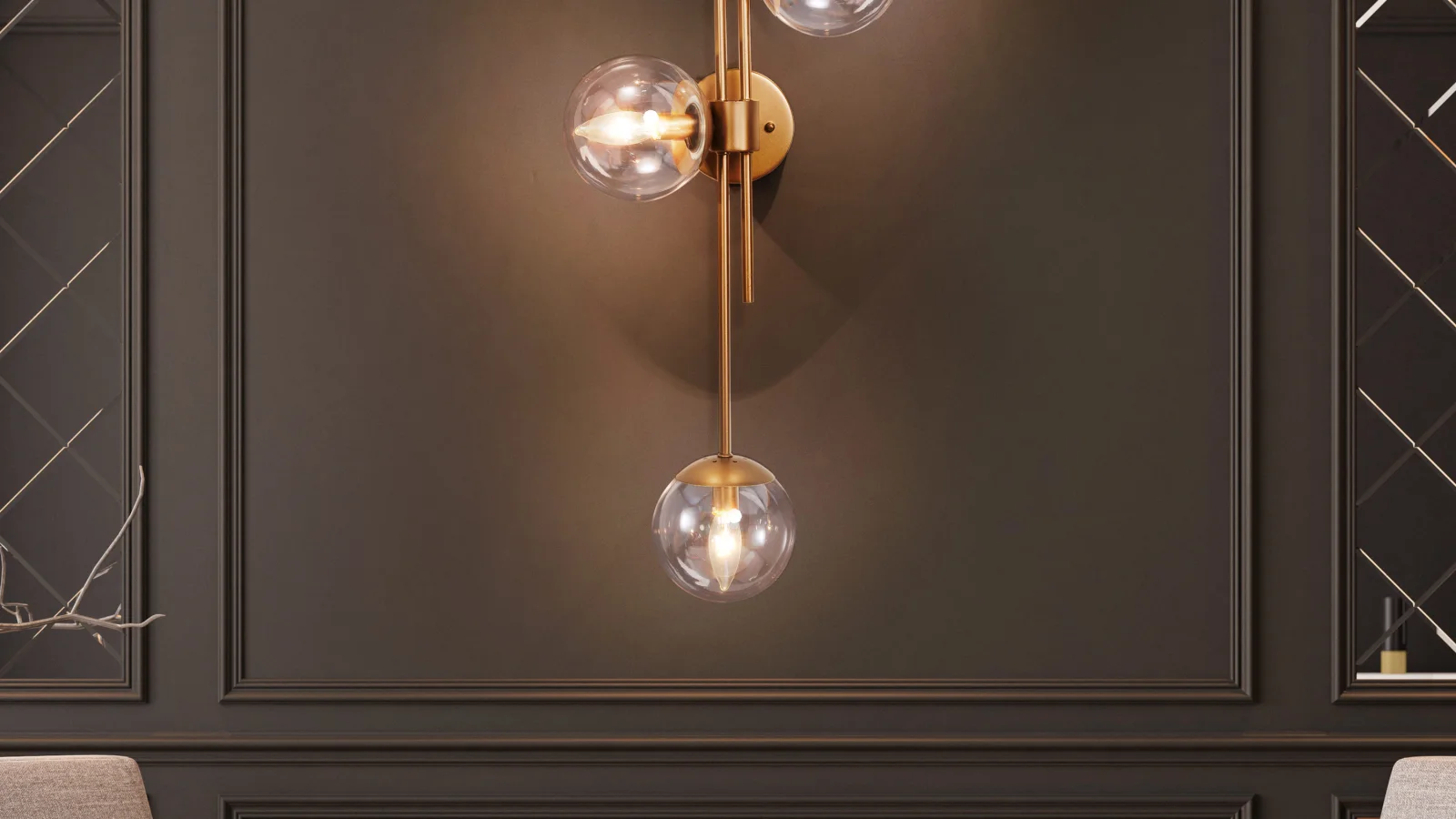
- Bedroom: Bedside wall lights for reading.
3. Accent lighting
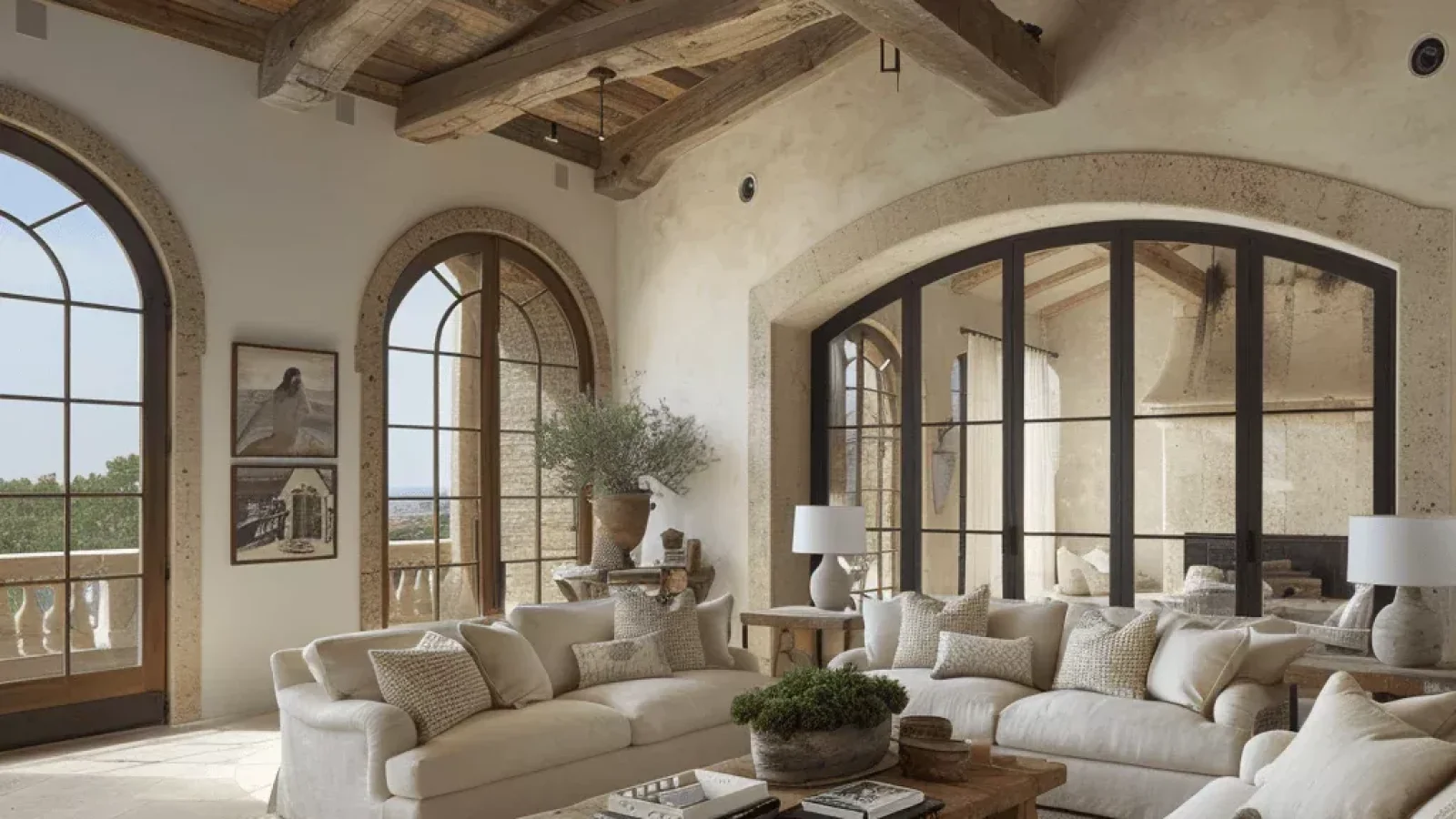
Used to highlight a specific element in a space: a stone wall, a work of art, a bookcase, a niche or an olive tree in the garden. Accent lighting adds depth and drama. It is usually provided by adjustable spotlights, track systems, LEDs inside niches or wall-washing fittings. Textured surfaces (stone, brick, wood) look far more striking when lit at a grazing angle.
4. Decorative lighting
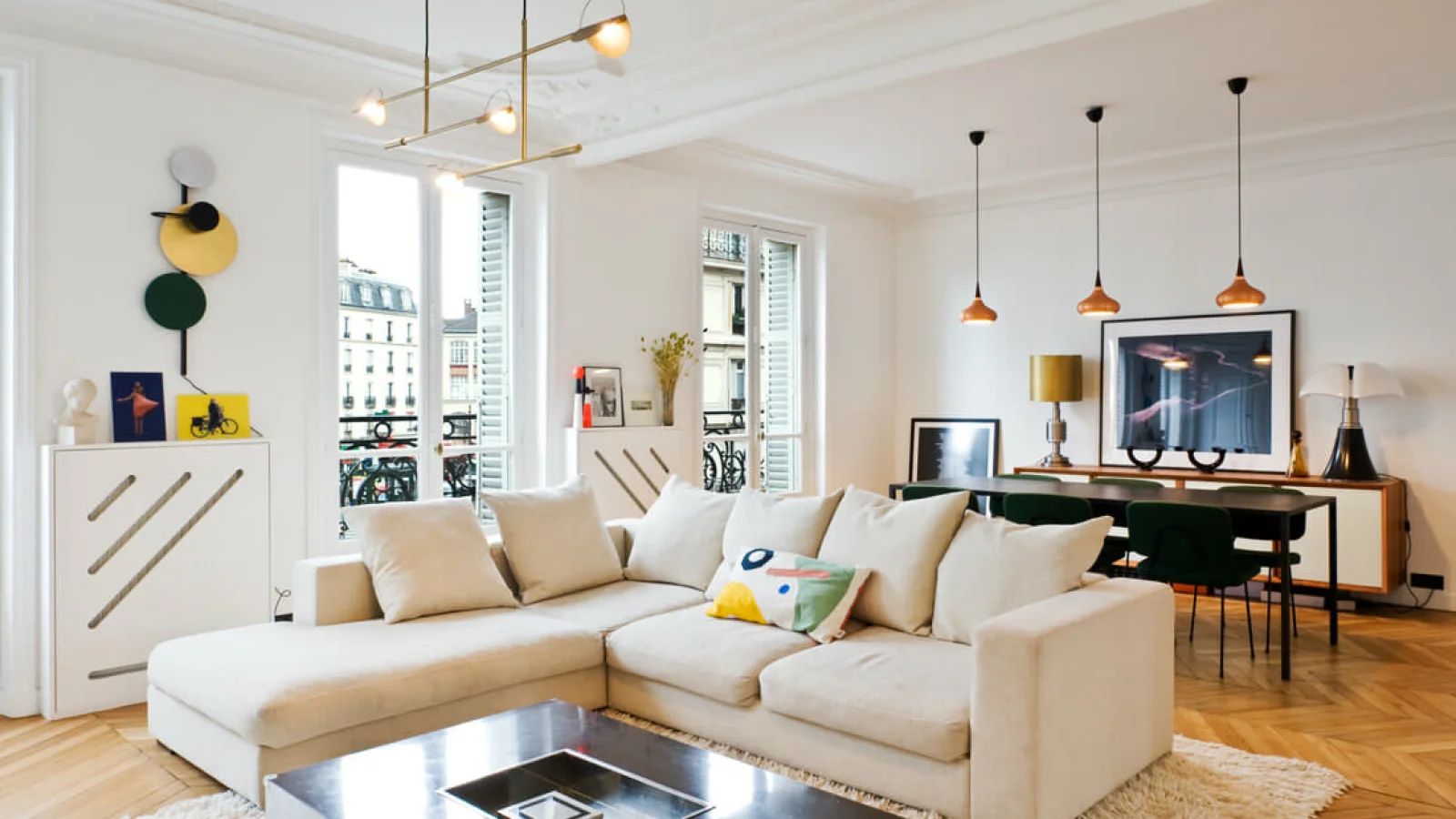
The layer in which the fitting itself is a design object: a pendant over the dining table, wicker lampshades, ceramic table lamps. Decorative lighting often adds character more than light and defines the style of the space.
Colour temperature: choosing the right white
| Colour temperature | Perception | Recommended area |
|---|---|---|
| Around 2700K | Warm, yellowish, intimate | Living room, bedroom, dining area |
| Around 3000K | Warm-neutral, balanced | Kitchen, bathroom, hallway |
| Around 4000K | Neutral white, crisp | Work areas, utility rooms |
At home, mixing different colour temperatures in the same space creates a restless look. Products with a high colour rendering index (CRI) also make wood and textile tones look vivid and natural.
Control: dimmers and scenes
The real power of layered lighting comes from being able to control each layer separately. With separate circuits and dimming, the same living room can take on different atmospheres for daytime work, an evening film or a crowded dinner table. Smart lighting systems let you switch between these scenes with a single touch. It is very important to plan this infrastructure at the electrical design stage; adding it later is both difficult and costly.
Quick room-by-room tips
- Living room: Indirect ambient light + a floor lamp in the reading corner + accent light on a wall or shelf.
- Dining area: A dimmable pendant centred over the table.
- Kitchen: General downlights + under-cabinet task light + pendants over the island.
- Bedroom: Soft ambient light + bedside wall lights + low-level floor light for night-time.
- Bathroom: Fittings with an IP rating suitable for wet areas + mirror lighting.
- Outdoors: Uplighting on trees, low fittings along paths; downward-facing light that does not pollute the night sky.
Conclusion
Layered lighting delivers function, comfort and atmosphere together. Well-planned light makes a space look larger, warmer and more valuable. At Nest Yapı Mimarlık we treat the lighting plan as a separate design layer in our interior projects, detailing everything from fitting selection to circuit and scene planning.