On the Aegean and Mediterranean coast, high humidity, salty air and strong sun wear building materials out much faster than inland. Here are tips for choosing long-lasting materials for coastal homes from Ortaca to Marmaris.
Living in Muğla’s coastal districts has many joys: the sea, the greenery, mild winters... But the same climate is a tough test for buildings. Canal-side houses in Dalyan, sea-view villas in Göcek and Fethiye, and homes on the shores of Lake Köyceğiz face humidity, salt and intense UV radiation all year round. A poorly chosen material can rust, blister or fade within a few seasons. In this article we share the basic principles of choosing materials suited to a coastal climate.
How the coastal climate affects buildings
- Salty air (chlorides): Accelerates corrosion in metals and, when it reaches reinforcing steel, can cause cracking and spalling in concrete.
- High relative humidity: Swells timber, causes mould and blistering in plaster and paint, and creates odours in closed cupboards.
- Strong UV radiation: Reduces the colour and durability of plastics, paints and natural wood surfaces.
- Temperature swings: Day–night differences increase condensation; poorly insulated walls show “sweating”.
Metal components: stainless can still stain
For railings, handrails, fixings and outdoor hardware, the label “stainless steel” alone is not enough. In coastal areas it is common practice to choose grade 316 stainless steel, which is considered more resistant to salty environments, rather than general-purpose grade 304. Small parts such as screws and anchors should be the same grade; otherwise a single poor-quality screw can leave rust streaks on the whole railing. For aluminium window frames, the quality of the powder coating or anodising is decisive.
Wood: the right species, the right protection
Wood is the essential warmth of Aegean architecture, but outdoors it needs care. Options such as teak, iroko, thermally modified timber and pressure-treated pine are more resistant to moisture. Wooden surfaces should be protected with UV-resistant, breathable oil or varnish systems and, in coastal areas, generally maintained every one to two years. For a low-maintenance look, wood-effect composite decking or porcelain tiles are good alternatives.
Render, paint and facades
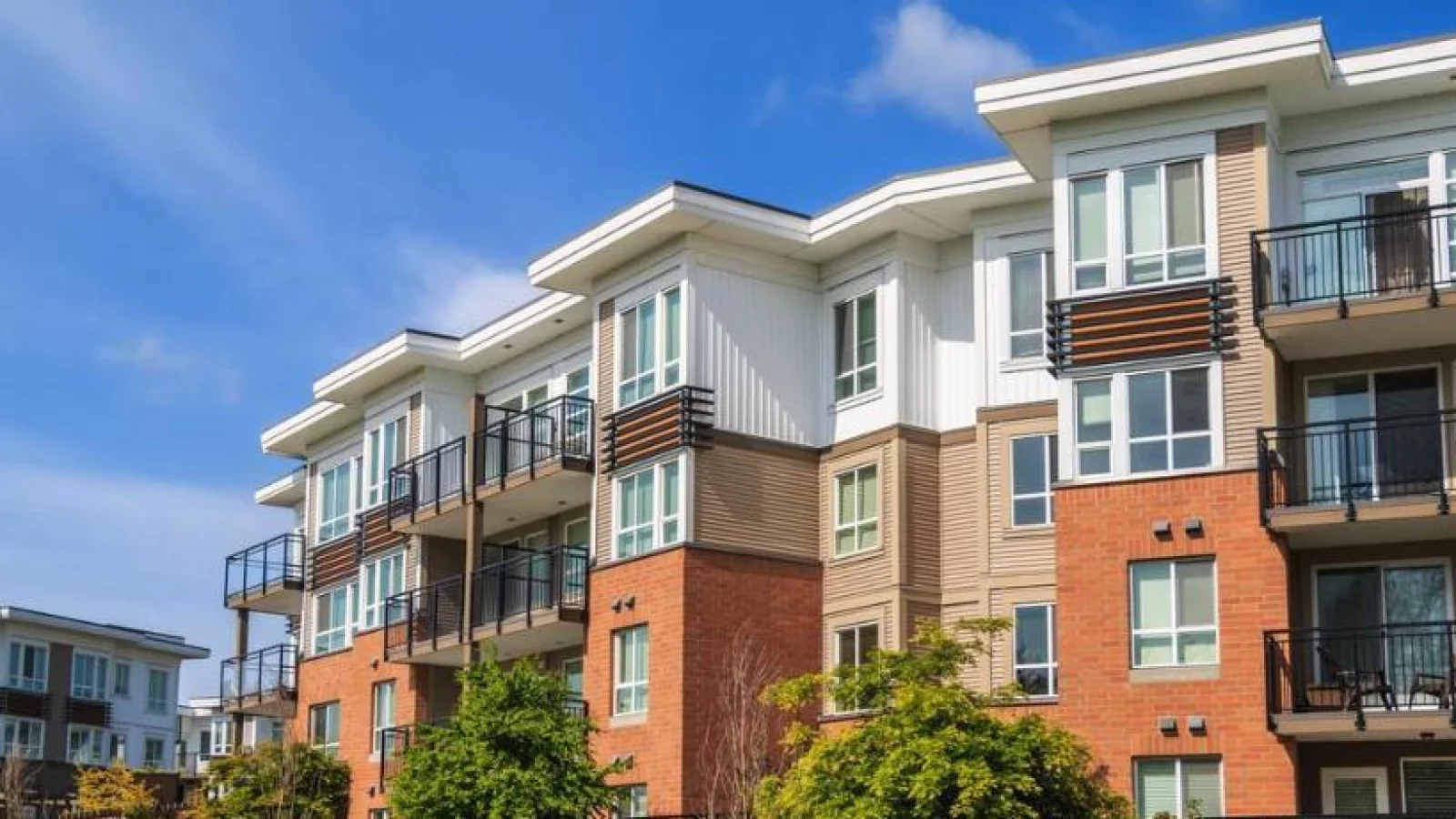
On exterior walls, breathable, water-repellent (hydrophobic) renders and paints prevent moisture from being trapped in the wall. If external insulation is applied, it is critical to detail junctions — especially around windows and sills — so they do not let water in. Indoors, wet rooms such as bathrooms and kitchens should use mould-resistant, washable paints.
Flooring and stone
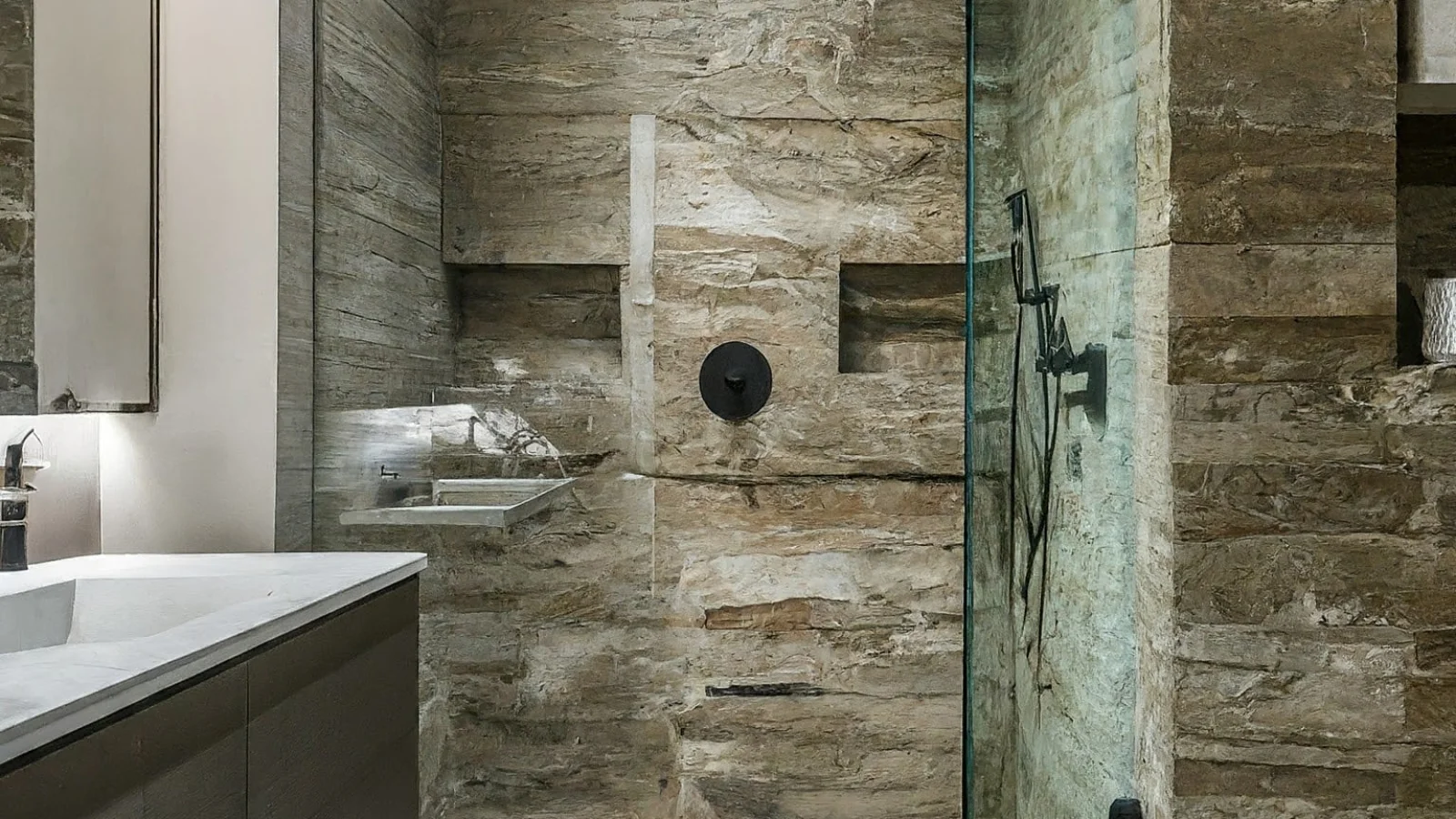
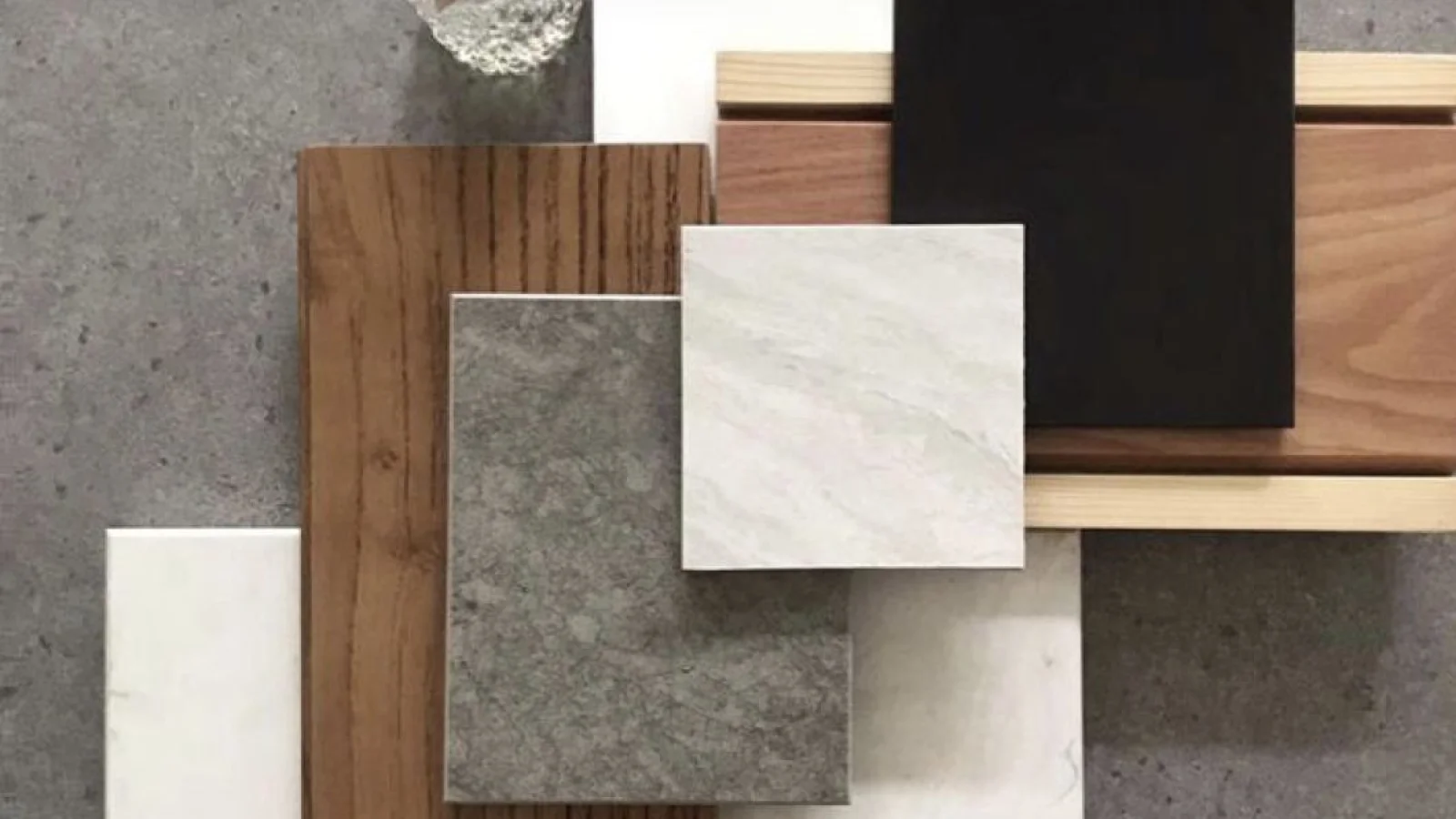
- Porcelain tiles: With very low water absorption, they are among the most trouble-free options for terraces and pool surrounds. Choose anti-slip finishes outdoors.
- Natural stone: Travertine and limestone look very warm but, being porous, must be protected with a suitable impregnating sealer.
- Concrete and micro-cement: A modern, durable solution when used with the right surface protection.
Managing humidity indoors
Ventilation is as important as the right material. In coastal homes, leaving an air gap behind wardrobes, using powerful extractor fans in the kitchen and bathroom and, if necessary, running a dehumidifier noticeably reduce the risk of mould. For cabinet carcasses, moisture-resistant chipboard or plywood with fully sealed edge banding is essential for a long life.
Fixtures and electrics
For outdoor lighting, choose fixtures with a high IP protection rating and corrosion-resistant housings. Sealed junction boxes and cables running in suitable conduits matter for both safety and durability.
Quick checklist
- Have you checked the stainless steel grade and matching screws for outdoor metalwork?
- Are the maintenance interval and product for wooden surfaces defined?
- Is the terrace floor anti-slip and low in water absorption?
- Have drip edges and water paths been considered in facade details?
- Has a ventilation gap been left behind closed cabinets?
Conclusion
A long-lasting building on the coast starts with materials chosen with the climate in mind. The right material, which may seem a little more expensive at first, significantly reduces maintenance and replacement costs over the years. Drawing on our experience in Muğla’s coastal districts, Nest Yapı Mimarlık offers climate-appropriate material and detailing advice for your projects.